📞 Call: 07546 977 095
📧 Email: info@drummondfirerisk.co.uk
Other Services
We can assist with:
Consultation with Building Control Bodies and the Fire Authority – Planning Applications and Building Control Submissions
- Consultation with Fire Service – Building Regulations and Enforcement Issues (Prohibition/Restriction Notices)
- Fire Risk Audits (Commercial & Retail)
- Fire Risk Assessments (Commercial & Retail)
- HMO & Multi‑Occupancy Assessments
- Support for landlords and property managers who need to meet strict safety standards.
- Evacuation Planning including helping you create a simple, effective Fire Emergency Evacuation Plan (FEEP).
- Clear, practical advice and guidance tailored to your building and the way you use it.
Planning & Guidance
Ongoing Support
Fire Safety isn’t a one-off exercise…
- Complimentary 12 Month Review on All Fire Safety Risk Assessments
- Complimentary Fire Safety Testing and Maintenance Logbook
- Follow-up Guidance and Support
What You’ll Receive:
- A friendly, on‑site visit
- A clear, easy‑to‑follow report
- Practical recommendations
- Guidance on policies and procedures
- Full compliance with current legislation
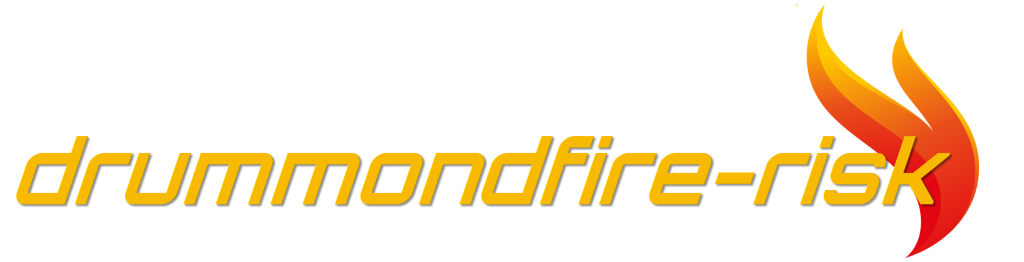
Local Authority Building Control (LABC) – LABC officers generally work within the Local Authority as part of the Building Control Team ensuring construction projects comply with building regulations to guarantee safety, health, and energy efficiency in England and Wales. They review plans, conduct site inspections, and enforce standards for public safety.
Registered Building Control Approvers (RBCA) – Formally known as “Approved Inspectors”, are private sector companies who have been approved by government and the Building Safety Regulator (BSR) to provide building control services.
Fire Authority – All Local Authority Fire & Rescue Services maintain a team of qualified Technical Fire Safety Officers who specialise in The Building Regulations.
Both LABC and RBCA Building control bodies must consult with the local Fire and Rescue Service (FRS) on proposals which affect means of escape, fire compartmentation, structural stability, and firefighter access.
Construction (Design and Management) Regulations 2015 (CDM)
These are the primary UK legal framework for managing health, safety, and welfare in construction projects. They apply to all construction work, requiring projects to be planned, coordinated, and staffed with competent people to minimize risks from inception to completion, covering new builds, demolition, and maintenance
Key Aspects of CDM 2015
- Key Duty Holders: The regulations define roles for Clients, Principal Designers, Designers, Principal Contractors, and Contractors to ensure responsibility throughout the project life cycle.
- Key Requirements: Proper planning, providing necessary information (pre-construction information), ensuring competence, and coordinating work are mandatory.
- Documentation: A Construction Phase Plan must be created for all projects, and a Health and Safety File is required for projects involving more than one contractor.
- Notification: Projects exceeding 30 working days (with >20 workers simultaneously) or 500 person-days must be notified to the HSE using an F10 form.
- Purpose: To improve safety, reduce accidents, and ensure long-term maintenance safety.
These consultations need not be complicated.
Drummond Fire Risk can assist in ensuring any plans or fire strategies have been scrutinised and checked prior to any formal submission thereby preventing potential rejection. This can rapidly move you through the process, saving you time and money.
Enforcement Notices
ENFORCEMENT/PROHIBITION/RESTRICTION
If your premises are currently subject to either an Article 30 (Enforcement Notice) or Article 31 (Prohibition/Restriction Notice) issued by the Fire & Rescue Service, then you must act immediately.
Failure to comply with a notice is a criminal offence.
Key aspects of an Article 31 (Prohibition/Restriction) Notice
- Immediate Action: The notice often takes effect immediately if the risk is imminent.
- Restrictions: Complete closure of a building or restrict its use.
- Duration: The notice remains in force until the specified fire safety risks are remedied.
- Display the Notice: The notice must be displayed in a prominent position.
- Remedy Hazards: Address the specific risks outlined in the notice regarding escape, fire warning, or structural danger.
- Seek Advice: Contact a competent fire risk assessor to address the deficiencies quickly.
Common Examples of Article 31 Prohibition Notices:
- Residential/Sleeping Risk: Prohibition of sleeping or resting on premises (e.g., above a shop) due to inadequate fire detection, lack of fire-rated doors, or blocked escape routes.
- Unsafe Access/Means of Escape: Restricting access to upper floors (first/second floors) of a building due to inadequate fire escape routes or dangerous staircases.
- Lack of Fire Safety Systems: Immediate closure of a commercial premise (e.g., café, shop) due to a non-functional or non-existent fire alarm and detection system.
- Accumulation of Combustibles: Prohibiting use of specific areas due to excessive, flammable, or hazardous material storage obstructing exits.
- Inadequate Emergency Lighting: Closing premises due to insufficient lighting to safely guide people out during a fire.
Actions for Article 30 Enforcement Notice
- Review Deadlines: You will have at least 21 days to comply, but action should be swift.
- Create Action Plan: Develop a plan to rectify the failures listed, as this notice highlights breaches of the law.
- Document Everything: Keep records of all remedial actions taken to prove compliance.