
📞 Call: 07546 977 095
📧 Email: info@drummondfirerisk.co.uk
Basically, if you can walk inside a building, then it’s more than likely that it’s been inspected by the Fire Service at some point.
Either during the planning or building stage, or when it’s eventually occupied, the Fire Service has a mandate to ensure the safety of all construction workers, employees and members of the public.
These are called “Relevant Persons”
The main goal of the Regulatory Reform (Fire Safety) Order 2005 (Fire Safety Order) is to ensure the safety of all Relevant Persons from fire or smoke and places this duty is places upon “The Responsible Person“. (Owner/Employer etc)
The Regulatory Reform (Fire Safety) Order 2005 has now been in place for almost 20 years and is the current primary legislation relating to fire safety.
If you own, manage or operate a business, you need to comply with this Fire Safety Law. It applies across England and Wales (Scotland and Northern Ireland have their own) and came into effect on 1 October 2006.
Where does it apply?
It’s probably quicker to say “where it doesn’t” apply.
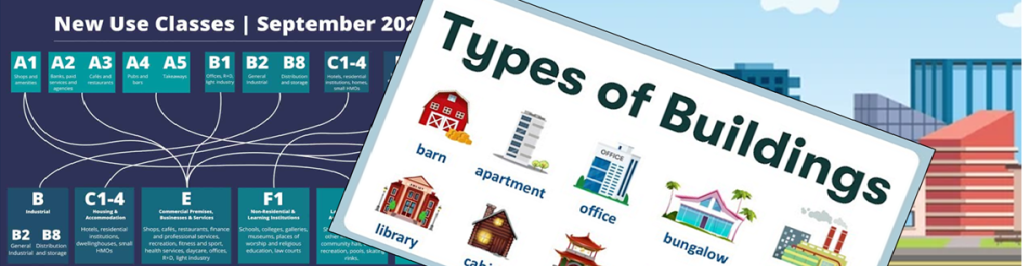
The Order applies to almost all buildings, places and structures other than individual private homes (that’s individual flats in a block or family homes). Other places covered by the Order include Houses in Multiple Occupation (HMO) and the communal areas within blocks of flats.
So the chances are, your premises will fall under the Fire Safety Order.
Drummond Fire Risk are able to carry a Fire Safety Audit or Fire Risk Assessment on any size building irrespective of complexity or process. The larger and more complex the building, the longer it takes to assess and unfortunately, higher costs follow.
However, our main focus is to provide our services to the smaller, lower risk type premises, in particular those where the Responsible Person may be in need of some assistance.
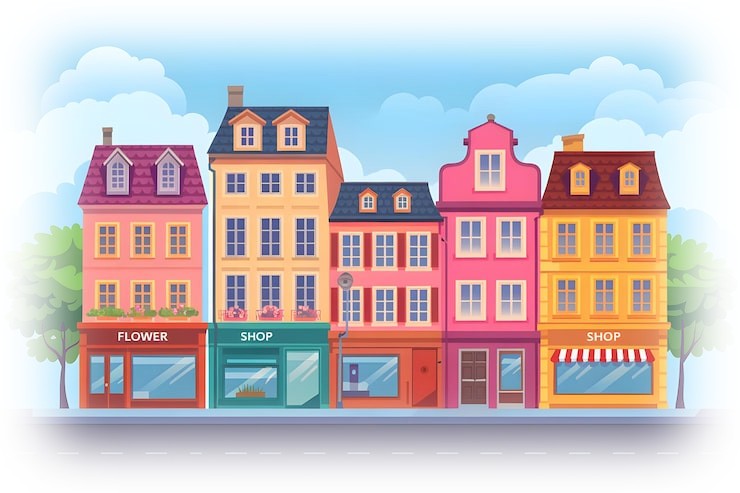
Examples include:
These are relatively simple, low risk premises which can be assessed quickly and at a reasonable and cost effective rate.
A brief example of premises which are considered to be a higher risk level are:
Residential Health Care
Residential
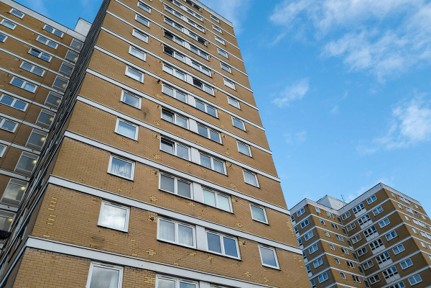
Where the building is at least 18 metres in height or has at least 7 storeys, contains at least 2 residential units.
Specialised in Small Business
Based in Calne Wiltshire